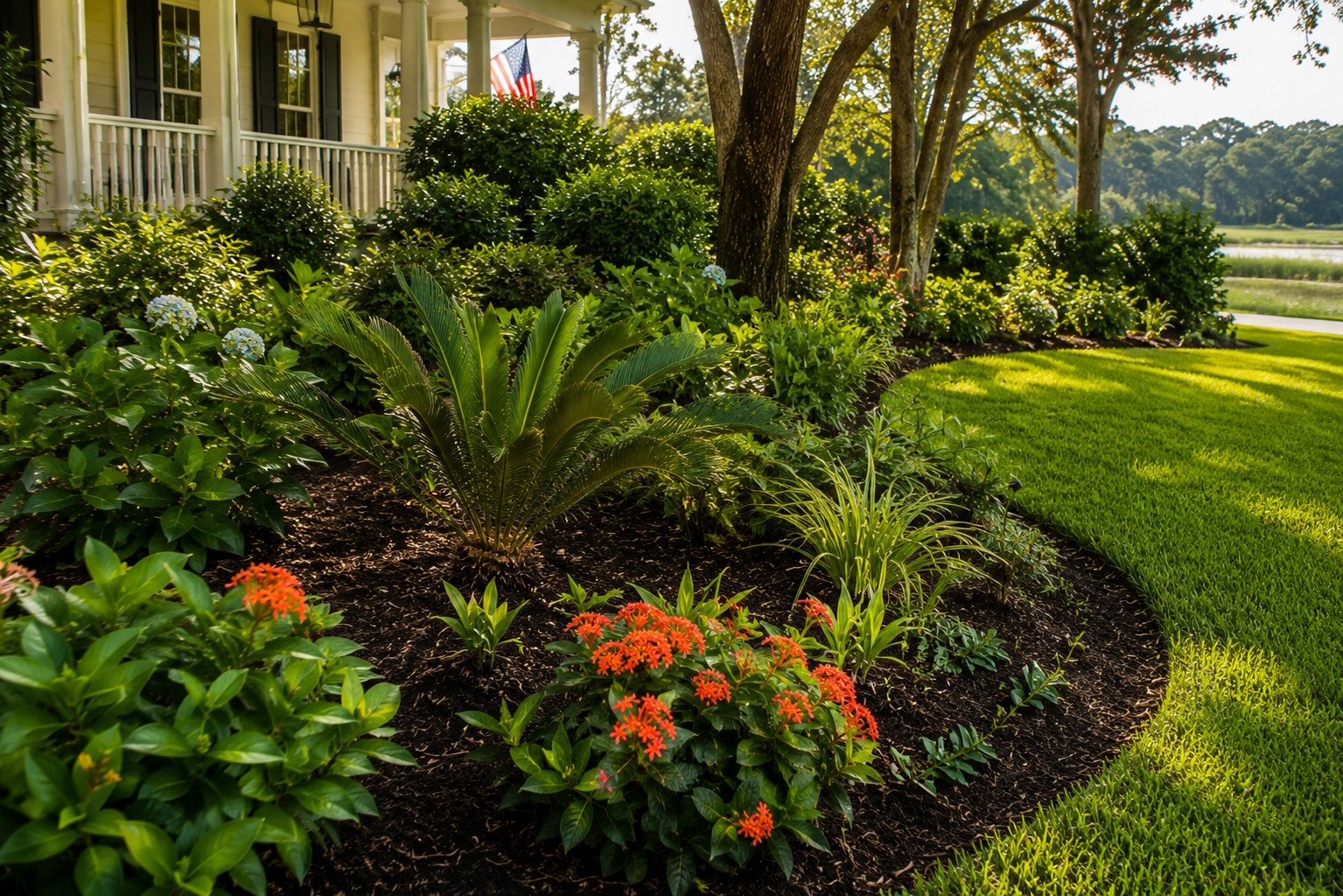
A clean yard isn't just more attractive — it's fundamentally healthier for your plants. Regular yard cleaning creates an environment where plants can thrive without competing against disease, pests, and the debris that enables both. In Johns Island, SC and throughout the Charleston Lowcountry, where heat and humidity create ideal conditions for plant pathogens and insects, yard cleanliness is one of the most underrated components of sustainable landscape management.
At Great Garden Landscaping, we provide professional yard cleaning services across Johns Island, James Island, North Charleston, and surrounding areas. Here's what our experience shows about the direct connection between yard cleanliness and plant longevity.
How Debris Becomes a Disease Reservoir
Dead leaves, fallen twigs, and spent plant material that accumulate in garden beds and on lawns do more than look untidy. In South Carolina's warm, humid climate, organic debris decomposes relatively quickly — and during that decomposition process, it can host fungal spores, bacterial pathogens, and insect eggs that represent a serious ongoing threat to the healthy plants nearby.
One of the most common examples: powdery mildew and black spot, fungal diseases that frequently affect roses, crape myrtles, and other ornamentals in the SC Lowcountry, overwinter in fallen diseased leaves on the ground. When spring arrives and rain splashes water from those infected leaves onto new growth, the disease cycle starts again. Removing fallen diseased leaves before winter — a key component of fall yard cleanup — directly reduces this spring reinfection pressure.
Similarly, branches and stems from diseased plants left in beds continue to release spores throughout the growing season. Removing them promptly and disposing of them away from the garden (not composting diseased material) is a simple sanitation practice that makes a measurable difference in plant health.
Debris and Pest Populations
Beyond disease, accumulated debris provides shelter and habitat for pest insects and other organisms that harm landscape plants. Spider mites, thrips, and scale insects — all common in South Carolina — overwinter in leaf litter, bark crevices, and plant debris at the soil surface. A thick layer of un-managed organic debris at the base of shrubs can support pest populations year-round at levels that damage plants continuously.
Slugs and snails, which damage groundcovers, hostas, and low-growing plants, thrive in moist debris. In Johns Island's wetter areas and after SC's summer storms, slug populations can explode in debris-rich garden beds. Regular cleanup removes their habitat directly.
Rodents — mice and voles — also use dense leaf litter and debris piles as nesting material and cover. Voles can cause significant damage to plant root systems by tunneling, and populations are dramatically higher in debris-rich environments than in well-maintained gardens.
Leaf Removal and Turf Health
For Johns Island homeowners with established turf — centipede grass, St. Augustine, or zoysia are most common in our area — timely leaf removal during fall is important for maintaining a healthy lawn through winter and into spring. Thick layers of fallen leaves can block sunlight from reaching warm-season turf during critical fall hardening periods, promote fungal turf diseases, and smother areas of grass that are already thin or stressed from summer heat.
A single heavy leaf drop from mature oaks or sweet gums — both extremely common trees in the Charleston Lowcountry — can deposit a thick mat of leaves on lawn areas very quickly. Letting that layer sit for more than a week or two can damage turf underneath. Regular leaf removal in fall, rather than waiting until all leaves have fallen to do one big cleanup, protects turf health throughout the leaf drop season.
Air Circulation and Fungal Disease Prevention
Good air circulation around and through plant foliage is one of the most important factors in preventing fungal diseases in South Carolina's humid climate. Dense, overgrown beds where spent stems, old foliage, and new growth intermingle without proper cleanup create pockets of stagnant, humid air — exactly the conditions that fungal pathogens love.
Regular yard cleaning that includes removing dead and spent material from the center of shrubs, clearing dead annuals from beds promptly at end of season, and keeping bed edges clear of encroaching debris improves air movement at the plant level. This simple maintenance practice reduces fungal pressure significantly without requiring any chemical intervention.
Clean Beds Allow Better Irrigation and Nutrient Delivery
Thick debris accumulation in garden beds can also interfere with effective irrigation and fertilization. When organic debris forms a dense mat over soil, irrigation water can run off the surface rather than penetrating to the root zone. Granular fertilizers applied over debris may release onto the debris layer rather than reaching the soil where roots can access nutrients.
Clean, properly mulched beds with clear soil access allow irrigation water and fertilizer to reach plant roots efficiently. This is another reason why professional yard cleaning combined with proper mulching produces better plant health outcomes than any single practice alone.
Seasonal Yard Cleaning Schedule for South Carolina
In SC's climate, most properties benefit from at least four seasonal cleaning sessions per year:
Spring (March–April): The most comprehensive cleanup of the year. Remove all winter debris, dead annuals and perennial stems, clean out beds completely, refresh mulch, and prepare beds for the growing season. This is also an ideal time to identify and remove any plant material that did not survive winter.
Summer (June–July): Remove storm damage from SC's frequent summer thunderstorms, trim spent blooms and overgrown stems, and keep beds tidy during peak growing season.
Fall (October–November): Remove fallen leaves from turf and bed areas, cut back spent perennial growth, remove dead annual plantings, and do a disease sanitation pass to remove diseased material before winter.
Winter (January–February): Light cleanup of winter storm debris, fallen branches, and any late leaf drop. A clean winter yard is less hospitable to overwintering pests.
Conclusion: Clean Yards Grow Healthier Plants
The connection between yard cleanliness and plant longevity is direct and well-established. Regular debris removal reduces disease pressure, disrupts pest cycles, improves turf health, promotes air circulation, and allows water and nutrients to reach plant roots effectively. In Johns Island, SC's challenging climate, regular professional yard cleaning is one of the highest-value landscape services you can invest in.
Professional Yard Cleaning in Johns Island, SC
Great Garden Landscaping provides thorough, reliable yard cleaning throughout the Lowcountry. Licensed & insured. Free estimates.
Frequently Asked Questions
Dead leaves and plant debris harbor fungal spores and bacterial pathogens that reinfect healthy plants. In SC's humid climate, debris decomposing against plant stems creates direct pathways for disease. Regular removal of debris breaks this cycle and reduces disease pressure on surrounding plants significantly.
Most SC properties benefit from seasonal yard cleaning 4 times per year. Spring cleanup is most comprehensive, clearing winter debris and setting beds up for the growing season. Fall cleanup removes leaves and prepares plants for winter. Summer and winter cleanups address storm damage and ongoing debris accumulation.
Yes. Thick layers of fallen leaves smother groundcovers and small plants, promote fungal disease in SC's wet conditions, create habitat for pests, and block light needed for turf recovery. Timely leaf removal from turf areas is especially important — a thick leaf mat over St. Augustine or centipede grass can cause significant damage within weeks.
Great Garden Landscaping serves Johns Island, Charleston, Summerville, and surrounding SC communities. For professional yard cleaning, contact us or call (843) 386-4878.