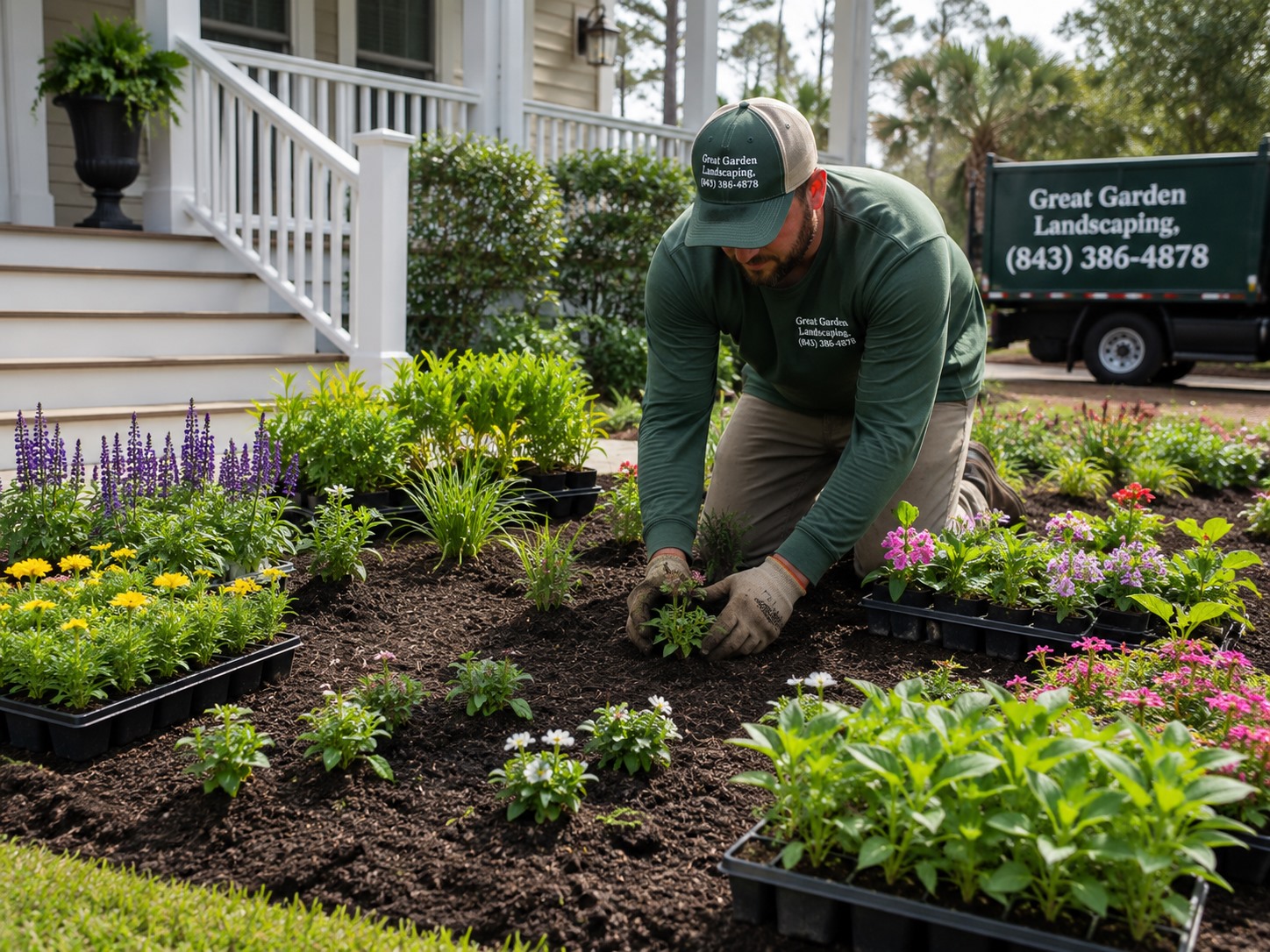
Installing new garden beds is one of the most transformative things you can do for your property in Johns Island, SC. Whether you're starting from a blank slate on a new construction home or redesigning neglected beds on an established property, the decisions you make at the outset — about plant selection, bed design, soil preparation, and installation — determine whether those beds flourish for years or struggle from day one.
For many homeowners, working with a professional plantation service is the best path to getting new garden beds right the first time. Here's what to look for, what to ask, and what a quality plantation service does that makes a real difference in long-term results.
What Does a Plantation Service Actually Include?
The term "plantation service" encompasses the full process of designing, installing, and establishing planting beds — not just dropping plants in the ground. A comprehensive plantation service from Great Garden Landscaping typically includes site assessment and light/drainage evaluation, plant selection tailored to your specific conditions, bed preparation including soil amendment when needed, installation at proper depth and spacing, initial mulching to protect newly installed plants, and post-installation care guidance.
The design and site assessment stage is often where the most value lies. A professional eye can immediately identify challenges that inexperienced planters miss — drainage low spots where water collects after heavy SC rains, soil pH problems that will prevent certain plants from thriving, or shading patterns that change with the seasons and affect plant selection significantly.
Choosing the Right Plants for South Carolina's Lowcountry Climate
Plant selection is where many DIY garden projects fall short. Johns Island, SC has a climate (USDA Zone 9a) that is genuinely distinctive — hot, humid summers, mild winters with occasional freezes, and sandy to loamy coastal soils with relatively low fertility. Plants that perform beautifully in the mountains or the Midwest can fail completely in the Lowcountry, and vice versa.
For new garden beds in the Johns Island area, we recommend a mix of proven natives and well-adapted ornamentals. Native plants like Muhly Grass, American Beautyberry, Inkberry Holly, Coreopsis, and Black-Eyed Susan are perfectly adapted to our climate and soil, require minimal supplemental water once established, and support pollinators and wildlife. Proven ornamentals like Loropetalum (Fringe Flower), Encore Azaleas, Knock Out Roses, Gardenias, Indian Hawthorn, and Agapanthus deliver reliable, dramatic color and texture that makes South Carolina gardens distinctive.
Avoid plants labeled "full sun" that are bred for drier western climates — they often struggle in SC's combination of heat and humidity. Choose disease-resistant varieties whenever possible, as our humid climate creates favorable conditions for powdery mildew, black spot, and other foliar diseases.
Soil Preparation: The Step That Determines Success
Of all the steps in establishing new garden beds, proper soil preparation has the biggest impact on long-term plant health — and it's the step most often skipped or shortchanged. If plants go into compacted, poor-quality, or improperly drained soil, no amount of watering or fertilization will compensate.
For new beds, soil preparation should include removing all existing vegetation and roots from the bed area, loosening compacted soil to a depth of 12 inches, and amending with organic matter if soil quality is poor. In sandy Johns Island soils, adding compost improves water and nutrient retention. In areas with heavier clay, improving drainage may require adding raised bed structure or installing drainage.
Soil pH testing is worth doing before planting — most ornamental and flowering plants prefer slightly acidic soil (pH 6.0–6.8), while acid-loving plants like azaleas, camellias, and blueberries prefer pH 5.0–6.0. Adjusting pH at bed preparation is far easier than amending it after plants are established.
Planning for Mature Plant Size and Spacing
One of the most common (and costly) mistakes in new garden bed installation is ignoring mature plant size when determining spacing. Plants purchased from a nursery are almost always far smaller than their eventual mature dimensions. If you space plants based on their current container size, you'll have overcrowded, competing plants within just a few growing seasons — requiring early and expensive removal or replanting.
A good plantation service always designs with mature dimensions in mind. Beds may look sparse in year one, but within two to three growing seasons the plants fill in beautifully. The interim period can be addressed with annual color, groundcovers, or additional mulch — without committing to permanent plants that will need to be removed later.
For mixed shrub beds in the Johns Island area, typical spacing guidelines are: small shrubs (under 3 feet mature) spaced 18–24 inches; medium shrubs (3–5 feet) spaced 3–4 feet; large shrubs (over 5 feet) spaced 5–6 feet. Always check specific variety recommendations for plants you're not familiar with.
Layering for Year-Round Interest
The most visually compelling garden beds use a layered design approach: taller anchor plants at the back or center of island beds, mid-level shrubs in the middle, and low groundcovers or ornamental grasses at the front edge. This creates depth and visual interest that flat, one-height beds lack entirely.
Layering also creates year-round seasonal interest when you choose plants with different bloom times, foliage colors, and textures. In the South Carolina Lowcountry, it's possible to have something blooming or providing ornamental interest in every month of the year with careful plant selection. A professional plantation service helps you build that seasonal calendar into your bed design.
Post-Installation Care in the First Season
Even the most carefully designed and installed garden beds need attention in their first growing season as plants establish. New plants need consistent watering as described in our companion article on watering schedules. They benefit from a layer of fresh mulch (2–3 inches) to regulate soil temperature and moisture. And they should be monitored for signs of pest or disease problems before issues become severe.
Many homeowners choose to schedule a follow-up visit with their landscaping team 4–6 weeks after installation to assess plant establishment, replace any plants that didn't survive the transition, and address any issues early. Great Garden Landscaping includes post-installation guidance and is always available by phone at (843) 386-4878 if questions arise after installation.
Conclusion: Invest in Getting It Right from the Start
New garden beds are a long-term investment in your property's beauty and value. Working with a professional plantation service for Johns Island, SC garden bed installation ensures you're planting the right plants in the right soil with the right spacing from day one — rather than discovering and correcting mistakes years down the road.
New Garden Bed Plantation Service in Johns Island, SC
Great Garden Landscaping designs and installs beautiful new garden beds throughout the Lowcountry. Licensed & insured. Free estimates.
Frequently Asked Questions
Top choices for Johns Island garden beds include natives like Muhly grass, Coreopsis, Beautyberry, and Inkberry Holly that thrive in our coastal climate. Ornamentals like Loropetalum, Encore Azaleas, Knock Out Roses, and Gardenias also perform excellently in Lowcountry conditions. Native plants require less water and maintenance once established.
Spring (March–May) and fall (September–November) are ideal. Fall is particularly advantageous — cooler temperatures reduce transplant stress while roots continue growing through mild SC winters, giving plants a head start on spring growth. Avoid summer installation when possible due to transplant stress from heat.
Always space based on mature size, not container size. A shrub expected to reach 4 feet wide should be spaced 2–3 feet from its neighbors. Beds look sparse initially, but fill in beautifully within 2–3 growing seasons. Overcrowding leads to competition, disease, and early removal costs.
In most cases, yes. Johns Island's sandy coastal soils benefit from organic matter addition to improve water and nutrient retention. Soil pH testing before planting is also recommended — most ornamentals prefer pH 6.0–6.8, while acid-loving plants like azaleas prefer 5.0–6.0. Addressing pH and fertility at bed preparation is far easier than amending later.
Great Garden Landscaping serves Johns Island, Charleston, Summerville, and surrounding SC communities. For professional plantation service, contact us or call (843) 386-4878.